



Best Budget Blender and Grinder Combo UK 2026

Most people buy a blender first. Then a few months later, they buy a grinder. That is two machines, two plugs, two things taking up counter space, and twice the money spent. A 2-in-1 kitchen blender and grinder fixes all of that in one go.
This guide covers the best budget options available in the UK right now, what to look for before buying, and which one gives you the most for your money in 2026. If you want honest buying advice without the fluff, you are in the right place. At AHRDeals, we research and compare kitchen appliances so you can spend less time reading reviews and more time actually cooking. Check our kitchen appliance guides and blender reviews for more.
What Is a 2-in-1 Kitchen Blender and Grinder?
A 2-in-1 kitchen blender and grinder is exactly what the name says. One base unit powers two different cups or jars. The large jar blends smoothies, juices, soups, and fruit. The smaller cup grinds dry ingredients like coffee beans, spices, and nuts. The motor sits in the base and works with both attachments. You switch between them depending on what you need. No extra appliance, no extra storage problem.
This type of machine is popular in the UK because kitchen counter space is limited in most homes. A single machine that does two jobs is a practical choice for small kitchens, students in dorms, and families who cook a variety of meals every week. Instead of researching two separate products, comparing prices on two different machines, and finding space for both, you make one decision and you are done.
It is also worth noting that combo machines have improved a lot in recent years. Early versions were underpowered and felt cheap. The options available in 2026 are much more reliable, even at budget prices.
Why Buy a Blender and Grinder Combo Instead of Two Separate Machines?
Good question. Here are the real reasons:
Cost
Two separate machines cost more. A decent standalone blender in the UK runs around £20 to £40. A coffee grinder adds another £15 to £30 on top. A combo unit often costs less than both combined. For anyone on a tight budget, that difference matters.
Space
Most UK kitchens are not huge. Keeping two appliances on the counter is not always realistic. Cupboard space fills up fast too. One machine solves the space problem immediately and keeps your kitchen looking less cluttered.
Cleaning
Fewer machines mean fewer parts to wash. Most combo units have cups and jars that rinse clean quickly. Some are dishwasher safe, which makes the whole process even faster. When you cook every day, anything that reduces cleaning time is worth paying attention to.
Convenience
You do not need to unplug one machine and plug in another. The same base handles both jobs. For people who grind coffee in the morning and make a smoothie in the afternoon, having one machine for both tasks is genuinely useful.
Less decision fatigue
Choosing two separate appliances means researching two products, reading two sets of reviews, and comparing twice as many options. A combo unit cuts that process in half.
What to Look for in a Budget 2-in-1 Kitchen Blender and Grinder
Not every combo unit is worth buying. Here is what actually matters:
Motor power
For blending soft fruits and making smoothies, 300W to 500W is enough. For crushing ice or harder vegetables, you need at least 600W. For grinding coffee beans and spices, 150W to 300W works fine since dry grinding needs less power than wet blending. Always match the motor to what you actually plan to use it for.
Jar and cup capacity
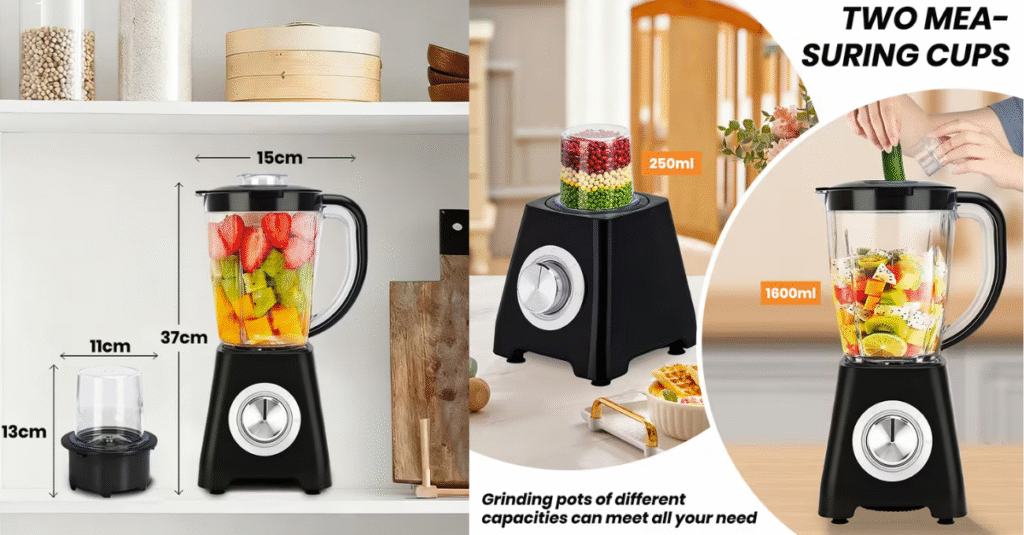
The blending jar should hold at least 1000ml for family use. A 1500ml to 1600ml jar is even better if you make large batches. The grinding cup should be at least 200ml. Anything smaller becomes inconvenient quickly, especially if you grind coffee every morning.
Speed settings
At least two speed settings plus a pulse mode. Pulse gives you control over texture, which matters for things like salsa, roughly chopped nuts, or breadcrumbs. A single speed motor limits what you can do with the machine.
Build quality
Look for BPA-free plastic or glass jars. Cheap plastic cracks over time, especially with hot liquids or when used frequently. Check if the blades are stainless steel. Stainless steel blades stay sharp longer and do not rust. Avoid machines where the blades feel loose or wobbly out of the box.
UK plug and voltage
Always check this. Some products ship from overseas and come with adapters instead of proper UK plugs. A British Specification Plug is what you want. Also check the voltage range. A machine rated for 110V to 240V works fine in the UK without any issues.
Warranty and returns
Budget appliances do not always last forever. A good returns policy gives you peace of mind. Look for at least 15 to 20 days. Some sellers on Temu offer up to 90 days, which is better than most high street retailers.
Noise level
Budget blenders tend to be louder than premium ones. If you live in a flat or have young children sleeping nearby, this is worth keeping in mind. Look for reviews that mention noise specifically.
Ease of assembly
Some machines come with complicated locking mechanisms that take time to figure out. The best budget options are simple to assemble and use from day one without needing to read the manual three times.
2-in-1 vs Single Function Blender: Which Is Better for UK Homes?
This depends entirely on how you cook and what you need.
A single function blender does one thing well. If you only make smoothies and nothing else, a standalone blender with a powerful motor is a better pick. You get more power for the same price, and the machine is usually simpler to use and clean.
A single function grinder is similarly focused. A dedicated coffee grinder gives you more grinding settings, better consistency, and usually a quieter motor. Coffee enthusiasts who care about grind size will notice the difference.
But for most UK households, a 2-in-1 kitchen blender and grinder makes more sense. The average person does not need professional-level precision. They want to make a smoothie in the morning, grind some coffee, and occasionally blend a soup or sauce. A combo machine handles all of that at a fraction of the cost of buying two separate appliances.
The only time a combo unit falls short is when you push it hard every single day. Daily heavy use on a budget motor will wear it out faster than a dedicated machine built for continuous use. If blending is a big part of how you cook, invest in a proper standalone blender. If you blend occasionally and grind occasionally, the combo route is the smarter financial decision.
Best Budget 2-in-1 Kitchen Blender and Grinder UK 2026
EJS International Upgraded 2-in-1 Kitchen Blender and Grinder
Price: £13.93 (was £14.99) Rating: 4.6 out of 5 Sold: 29,000+
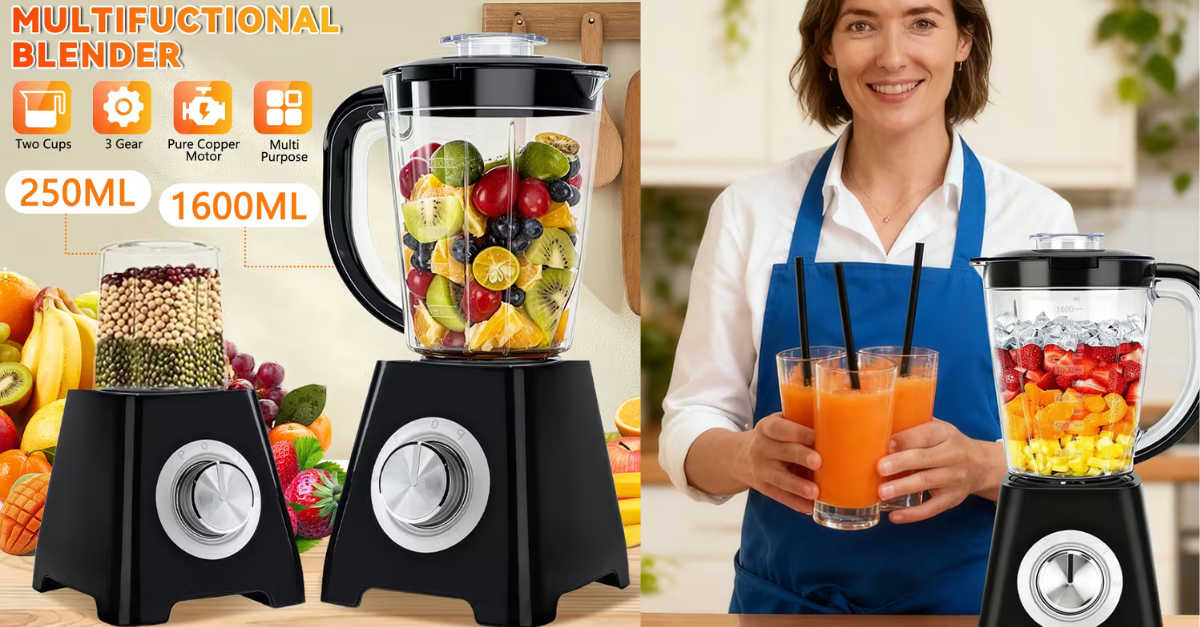
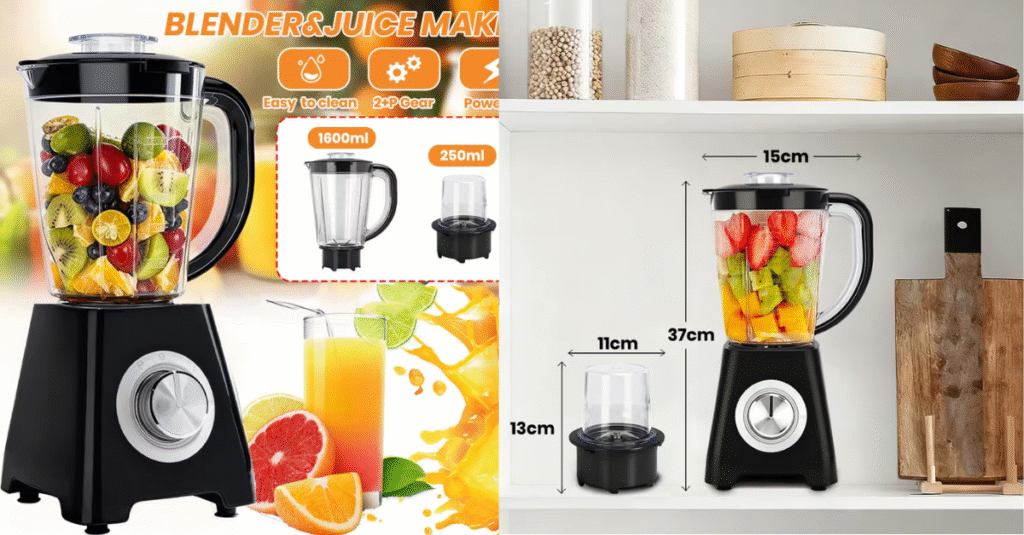
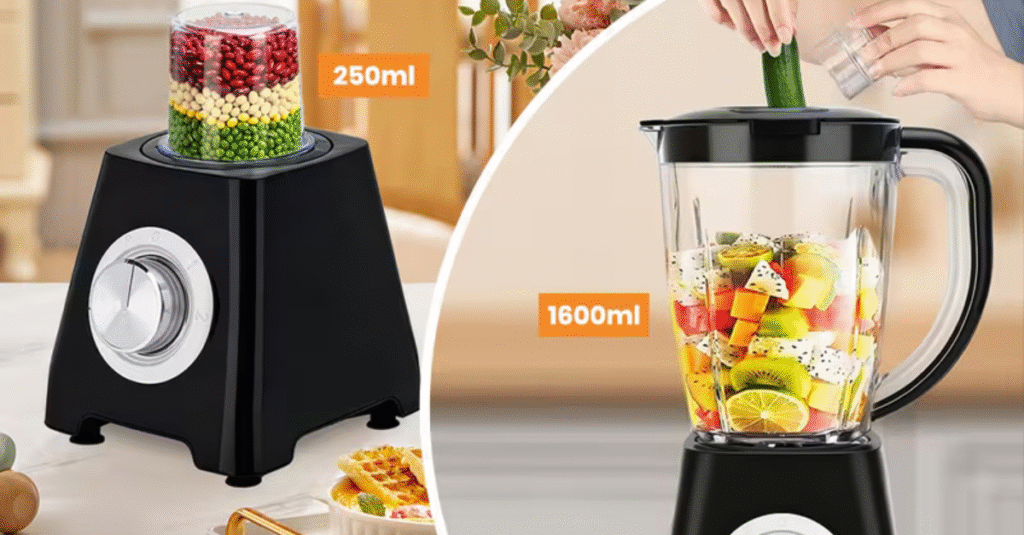
Two machines in one. The large 1600ml jar handles smoothies, juices, and fruit blends without any fuss. The smaller 250ml grinder cup takes care of coffee beans, nuts, and spices. Most people buy a blender and then realize they need a grinder too, that means more money, more clutter, and more things to wash. This one skips all of that. One machine sits on your counter and does both jobs. That is it. The 29,000+ sales figure is worth paying attention to. That is not a new product with a handful of reviews. Tens of thousands of people have bought this, used it, and the rating has stayed at 4.6 out of 5. For a budget machine at under £14, that track record is genuinely impressive.
The 300W motor handles everyday blending tasks well. Soft fruits, leafy greens, yogurt, milk, and similar ingredients blend smoothly. The grinding cup handles coffee beans, whole spices, and dry nuts without struggling. Where it falls short is with harder tasks like crushing ice or blending frozen fruit straight from the freezer. For those jobs, you need more power. The dual cup design is practical. The 1600ml jar is large enough for a family of four. The 250ml grinder cup is compact but holds enough for two to three cups of coffee at a time. Both attach to the same base, and switching between them takes about five seconds.
What works well:
- 1600ml blending jar is large enough for family portions
- 250ml grinding cup handles coffee beans, nuts, and dry spices
- 300W motor with 3 speed settings and pulse mode
- British Specification Plug, no adapter needed
- Works on 110V to 240V, suitable for UK power
- 29,000 plus sold, which shows this product has a strong track record
- Free returns, low risk if it does not suit your kitchen
What to keep in mind:
- 300W is not powerful enough for crushing ice or frozen fruit
- The grinding cup at 250ml is on the smaller side for big batches
- Limited detailed reviews available so long-term durability is unclear
Who this suits: Anyone who wants a basic blender and grinder combo at the lowest possible price. Good for smoothies, juices, and grinding small batches of coffee or spices. Not the right pick if you need to crush ice regularly.
How to Get the Most Out of Your 2-in-1 Blender and Grinder
Buying the right machine is only half the job. How you use it day to day makes a big difference in how long it lasts and how well it performs. These tips apply to most budget combo units, including the EJS International model covered in this guide.
Cut ingredients into smaller pieces first
This reduces strain on the motor and gives you a smoother blend. Works for both fruit and vegetables. A rough chop before blending makes a noticeable difference in the final texture. Hard vegetables like carrots and beetroot especially benefit from being cut down before they go into the jar. Throwing in large chunks and expecting the motor to do all the work puts unnecessary pressure on the blades and shortens the machine’s life.
Do not overfill the jar
Stay below the maximum line marked on the jar. Overfilling causes leaks and uneven blending. It also puts extra strain on the motor, which shortens the life of the machine. A good rule is to fill the jar no more than three quarters full. If you are making a large batch, blend in two smaller rounds instead of one overfilled one. The result will be smoother and your machine will last longer for it.
Use pulse mode for chunky textures
Chunky salsa or roughly chopped nuts need pulse mode, not continuous running. Short bursts give you more control over the final result. Running the motor non-stop turns everything into a smooth paste, which is not always what you want. Three to five short pulses followed by a check is a better approach for textured results. This also gives the motor a brief rest between bursts, which helps with heat buildup.
Clean immediately after use
Rinse the jar and cup right after blending or grinding. Dried food is harder to remove and can damage the blades over time. For the grinding cup, a dry brush works better than water since moisture can affect the next grind. Coffee oils in particular can go rancid if left in the cup for too long. A quick wipe with a dry cloth or brush after each grind keeps the cup fresh. For the blending jar, add a small amount of warm water and a drop of dish soap, run the motor for ten seconds, and most residue clears without any scrubbing.
Grind in small batches
The 250ml grinding cup works best when it is no more than two thirds full. Overfilling reduces grinding efficiency and puts unnecessary strain on the blades. If you need a larger amount of ground coffee or spices, split it into two smaller batches. Each batch will grind more evenly and the blades will stay sharper for longer. This is especially important for harder ingredients like whole spices, which need room to move around inside the cup to grind properly.
Keep water away from the motor base
Never submerge the base in water. Wipe it with a damp cloth only. Water damage to the motor is not covered under most return policies, and it is one of the most common ways budget appliances fail early. If liquid spills onto the base during blending, unplug the machine immediately and dry it thoroughly before the next use.
Let the motor rest between uses
Budget motors are not built for continuous heavy use. If you are making multiple batches, give the machine a minute or two between each one. Running a 300W motor without breaks for extended periods causes it to overheat. Most machines have an auto shutoff for overheating, but regular reliance on that feature degrades the motor faster than natural rest breaks do. If the base feels warm to the touch after a blend, wait before starting the next one.
Store it properly
When not in use, keep the blending jar and grinding cup off the base. Storing them attached puts constant pressure on the locking mechanism and can loosen the connection over time. Detach after each use, rinse before storage, and the machine stays in good condition much longer.
Check the blades regularly
Every few weeks, take a close look at the blades. Dull or chipped blades affect blending quality and can introduce small metal fragments into your food. If the blades look worn, contact the seller about a replacement. For a machine at this price point, replacement blades are usually available, and a replacement costs far less than a whole new machine.
Is a Budget Blender and Grinder Combo Worth It?
For most UK households, yes. If you make smoothies occasionally, grind coffee at home, or want one appliance instead of two, a budget combo unit makes sense. You spend less, use less counter space, and have one less thing to manage in the kitchen. The EJS International unit covered in this guide sits at under £14, has over 29,000 sales, and comes with a UK plug. For that price, the value is hard to argue with. That said, if you crush ice daily or need heavy-duty blending for thick nut butters, you will need a more powerful machine. Budget options have limits, and it is better to know that before buying than after.
Final Thoughts
A 2-in-1 kitchen blender and grinder is one of the most practical appliances you can add to a UK kitchen. It saves money, saves space, and handles two everyday tasks without any complications. If you want more appliance guides before making a decision, visit our blog where we cover a wide range of kitchen products. You can also read more about how we research and recommend appliances on our About Us page. For more blender options and comparisons, browse our full blender category where we list the best picks available right now.
Frequently Asked Questions
Can this blender crush ice?
No. The 300W motor is not powerful enough for ice crushing. It handles soft fruits, vegetables, smoothies, and dry grinding well. For ice, you need at least 600W.
Is the 250ml grinder cup big enough for daily use?
For one or two people, yes. It holds enough coffee beans for two to three cups at a time. For larger households grinding in bulk, it will feel small.
Does it come with a UK plug?
Yes. It comes with a British Specification Plug and works on 110V to 240V, so no adapter is needed.
Can I put the jars in the dishwasher?
The cups and jars are designed for easy cleaning. Rinse immediately after use for best results. Check the manual before putting parts in the dishwasher.
Is this good for making baby food?
Yes. Soft fruits and cooked vegetables blend smoothly with this machine. The 1600ml jar is large enough for batch cooking.
How long will a budget blender last?
With regular but not heavy use, most budget blenders last one to three years. Cleaning after every use and not overloading the motor will extend the life significantly.
Where can I buy it in the UK?
It is available on Temu UK with free shipping on orders over £35 and free returns up to 90 days.